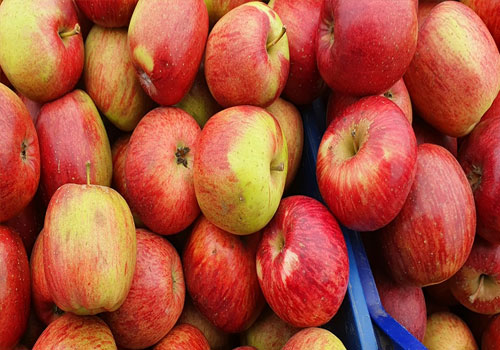
Peru is a country celebrated for its extraordinary biodiversity and food culture, from the depths of the Amazon to the peaks of the Andes. Among its most beloved fruits, one stands out not for its exotic rarity, but for its everyday presence, warm color, and irresistible sweetness: the Manzana Delicia. Whether found piled high at a local market in Lima or tucked into a school lunchbox in the highlands, this apple has become a quiet but enduring symbol of Peruvian agricultural identity.
What Is the Manzana Delicia?
The Manzana Delicia belongs to the species Malus domestica, the common apple tree from the Rosaceae family. It is closely related to the internationally recognized Red Delicious variety, which was originally discovered around 1880 in the United States and introduced commercially by Stark Brothers nurseries in 1895. However, what Peru calls the “Manzana Delicia” has evolved into something distinctly local — a fruit shaped by Andean valleys, family farming traditions, and the preferences of Peruvian consumers across generations.
In Peru, its official technical denomination is Manzana Delicia (Red Delicious), and within the national fruit production system it is categorized simply as “Manzana del Perú” — the Apple of Peru. That name alone says a great deal about how deeply this variety has been absorbed into the country’s agricultural and culinary identity.
A Fruit You Can Recognize Instantly
The first thing most people notice about the Manzana Delicia is its appearance, and for good reason. It features a trapezoidal or truncated-cone shape with five clearly defined lobes at the base, a form so recognizable that it is almost impossible to confuse with other apple varieties. Its skin is smooth, shiny, and a deep, vivid red, sometimes with darker reddish streaks running from top to bottom.
Beneath that bright exterior lies a whitish to yellowish flesh that is soft and aromatic. In some cases, depending on growing conditions and harvest timing, the pulp can be crunchier and firmer, while in others it leans toward a softer, slightly grainy texture — both considered normal within this variety. That visual consistency and color intensity make it one of the most attractive apples in any Peruvian market stall or supermarket shelf.
The Flavor Profile: Sweet, Aromatic, and Approachable
Ask anyone in Peru why they love the Manzana Delicia, and the answer almost always comes back to one word: sweetness. This apple is known for having a sweet flavor with almost no acidity, paired with a distinctly pleasant and intense aroma that makes even picking it up an enjoyable sensory experience.
Unlike many international apple varieties designed with tartness or complex flavor profiles in mind, the Delicia prioritizes gentle, clean sweetness and fragrance. That makes it an ideal choice for eating fresh, directly and without preparation — which explains why it is so popular as a school snack, a midday bite, or a simple dessert after a family meal.
Some descriptions also note a hint of moderate acidity layered beneath the dominant sweetness, giving the fruit a subtle complexity that prevents it from feeling overly simple. The aroma is described as intense and refreshing, reinforcing the sensation of freshness even days after harvest when stored correctly.
Size, Weight, and Quality Standards
The Manzana Delicia is not a small apple. It is classified as a large-caliber fruit, with an average weight ranging from 160 to 240 grams, a diameter of approximately 70 to 85 millimeters, and a height between 85 and 90 millimeters. These measurements place it comfortably among the larger apple varieties available in the Peruvian market.
Quality standards for Category I Manzana Delicia require the fruit to be free from pests, deep bruising, rot, and abnormal humidity levels. The variety designated in technical sheets is specifically described as “Delicious de Viscas”, a name that points to one of its key growing areas in Peru. These quality controls help ensure that the Delicia apple reaching consumers in Lima supermarkets or regional markets meets consistent standards of appearance, weight, and safety.
Where It Grows: The Valleys Behind the Apple
The story of the Manzana Delicia in Peru is inseparable from geography. The fruit is primarily cultivated in the Lima region, across several interconnected valleys where the climate, soil, and altitude create ideal conditions for apple growing.
Calango, a small district in the province of Cañete located about 112 kilometers south of Lima along the banks of the Mala River, is widely regarded as the birthplace of the Peruvian Manzana Delicia. The road to Calango from Mala stretches about 24 kilometers through mountain terrain, and the area has been cultivating this apple variety for decades, building a local reputation that resonates well beyond the province.
Beyond Calango, other important production zones include the Valle de Mala, which is reported to produce more than 50% of Peru’s national Manzana Delicia output and stands out for being a year-round production zone. The districts of Yauyos, Lurín, and Huarochirí also contribute significantly to national supply. In Huarochirí, the rural community of Santa María de Huanchac in the district of San Lorenzo de Quinti has emerged as a notable growing area, where family farming operations like BIDFRUT cultivate the Delicia with strong attention to quality and sustainable practices.
A Pillar of National Apple Production
The Manzana Delicia is not a minor player in Peru’s agricultural landscape. According to data from the National Fruit Program of Sierra Exportadora, shared by Peru’s national standards body Inacal, the country cultivates approximately 11,000 hectares of apples, and an estimated 70% of that area is dedicated to the Delicias variety. The remaining 30% is split among other varieties including Israel, Winter, and San Antonio.
That dominant share of production reflects a market reality: Peruvian consumers consistently choose the Delicia over other apple varieties when shopping for fresh fruit. Its combination of visual appeal, sweetness, and accessibility has made it the default apple for millions of households across the country.
Nutritional Benefits Worth Knowing
Beyond its taste and appearance, the Manzana Delicia offers a solid nutritional profile that makes it more than just a pleasant snack. It is a rich source of dietary fiber, which supports digestion and contributes to healthy cholesterol levels. Its soluble fiber content, particularly pectin, is noted for helping the body eliminate excess cholesterol and offering some protection against environmental pollutants.
The apple also provides vitamin C, which supports immune function and protects cells from oxidative damage, along with potassium (approximately 115 mg per 100 grams), phosphorus (7 mg), and iron (0.18 mg). Its carbohydrate content sits at about 15 grams per 100 grams, with only 0.19 grams of protein, making it a naturally low-calorie, high-fiber fruit.
For those managing their weight, the Manzana Delicia’s high fiber and low caloric density combination makes it particularly effective at creating a sense of satiety without excessive calories. Regular consumption is also associated with more stable blood sugar levels and stronger immune response.
From Orchard to Table: How It Reaches Consumers
The Manzana Delicia’s journey from valley orchard to consumer table reflects the backbone of Peru’s family farming economy. In areas like Huarochirí and Calango, small and medium family-run farms plant, harvest, and sort the apples manually, applying technical agricultural management to maintain quality across seasons. Producers in the Valle de Mala benefit from year-round harvesting conditions, which helps maintain steady supply to Lima’s markets regardless of season.
Once harvested, the apples are graded by size and quality, then distributed to wholesale markets, retail supermarket chains, neighborhood markets, and online delivery platforms that have grown significantly across Lima and other cities. The “Kinder” or lunchbox-size format has become especially popular for families with school-age children, offered at accessible prices per kilogram.
Beyond Fresh Eating: Cider and Creative Uses
While the Manzana Delicia is most loved as a fresh fruit, it has also found its way into more creative applications. Craft cider producers in Peru have begun using a blend of Delicia and Israel apples sourced from valleys in Mala and Cañete to produce artisan Peruvian ciders with a genuine regional identity. This development reflects a broader global trend of using locally grown apple varieties to anchor beverages and products with a sense of place and origin.
The apple’s sweet, aromatic profile also lends itself well to juices, compotes, baked goods, and fresh salads, though most Peruvians still prefer it exactly as nature delivers it: clean, whole, and ready to eat.
A Fruit That Carries Peru’s Spirit
Choosing a Manzana Delicia is, in a small but meaningful way, choosing to support the family farmers of Lima’s valleys, the agricultural traditions of communities like Calango and Huarochirí, and a model of food production that prioritizes flavor, freshness, and regional identity. It is a fruit that does not need exotic marketing or a premium label to stand out — its deep red color, sweet aroma, and familiar taste do all the work.
In a country as gastronomically rich as Peru, it is easy to overlook what is most common. But the Manzana Delicia deserves recognition not despite its familiarity, but because of it. It is proof that the sweetest things are often the ones closest to home.