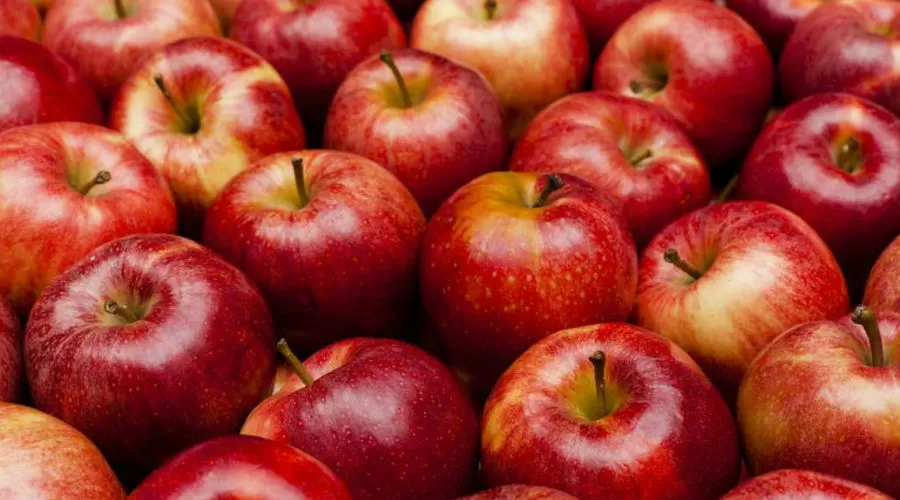
Peru is a country that transforms everything it touches into something memorable. From the way it seasons a ceviche to the way it layers flavors in a causa or stirs a pot of adobo, Peruvian food culture is built on creativity, generosity, and deep respect for local ingredients. The Manzana Delicia — the country’s most beloved apple variety — is no exception. Sweet, aromatic, and versatile, this fruit moves comfortably from the simplest daily snack to the most creative culinary application, always bringing its signature flavor along for the ride.
Whether you are a visitor discovering Peruvian food culture for the first time or a local looking for fresh inspiration, here are the top ten ways Peruvians enjoy their Manzana Delicia — from the gloriously simple to the surprisingly sophisticated.
1. Fresh and Whole: The Peruvian Classic
The most popular way to eat a Manzana Delicia in Peru requires absolutely no preparation, no recipe, and no kitchen equipment at all. You pick it up, you wash it, and you eat it. That directness is not laziness — it is wisdom. Eating the Manzana Delicia whole and fresh preserves every gram of its pectin, quercetin, vitamin C, and dietary fiber, delivering the full nutritional package exactly as nature intended.
The experience of biting into a fresh Manzana Delicia is one of Peru’s small daily pleasures. The skin gives way with a satisfying crunch, releasing a burst of sweet juice and that characteristic intense aroma that makes this variety instantly recognizable. This is how most Peruvian schoolchildren eat it, how market vendors snack on it between sales, and how millions of families close a meal without reaching for anything more elaborate. Sometimes the most loved way is also the best way.
2. The Lunchbox Apple: A Peruvian School Tradition
In Peru, the “manzana de lonchera” — the lunchbox apple — is practically a national institution. The smaller Kinder-size Manzana Delicia, sold by the kilogram at accessible prices in markets and supermarkets across the country, has been the default school snack for generations of Peruvian children.
Packed alongside a sandwich or a thermos of warm quinoa soup, the Manzana Delicia serves as the sweet, portable, mess-free component of millions of daily school lunches. It requires no container, no utensil, and no refrigeration for short periods, making it perfectly adapted to the realities of school life. Parents across every economic level trust it because it is sweet enough that children will actually eat it, nutritious enough that parents feel good about including it, and cheap enough to be part of the daily budget without strain.
3. Fresh Apple Juice: Lima’s Mercado Staple
Walk through almost any traditional market in Lima — from the sprawling stalls of Surquillo to the neighborhood markets of Miraflores or San Juan de Lurigancho — and you will find vendors with hand-cranked or electric juicers offering fresh jugo de manzana Delicia. Glasses of pale golden, sweet apple juice made to order are among the most popular fresh juice options in Peru’s food markets.
The Manzana Delicia’s naturally sweet, low-acid flavor profile makes it ideal for juicing because it requires no added sugar to taste good and no citrus additions to balance excessive tartness. Many vendors blend it with other Peruvian fruits — a squeeze of lime, a slice of pineapple, or a chunk of quince — but purists insist the Delicia needs nothing added. A glass of this juice in the morning, served cold and freshly pressed, is one of the most refreshing ways to start a Peruvian day.
4. Apple and Cinnamon Compote: Comfort in a Bowl
The compota de manzana con canela — apple and cinnamon compote — is one of the most comforting Peruvian home preparations using the Manzana Delicia. Peeled and diced apples are simmered gently in water with cinnamon sticks, a small amount of sugar, and sometimes a strip of orange peel, until they break down into a warm, fragrant, soft mixture that sits beautifully between sauce and chunky fruit.
This compote appears on Peruvian tables in multiple roles: as a breakfast topping for oatmeal or porridge, as a simple dessert served warm in a small bowl, or as a sauce alongside dairy-based desserts like arroz con leche or mazamorra morada. The Manzana Delicia’s natural sweetness means very little added sugar is needed, and the cinnamon amplifies its warm, aromatic qualities into something genuinely extraordinary. It is a preparation that grandmothers make, that children request, and that carries the emotional weight of home across generations of Peruvian families.
5. Apple Slices with Salt and Lemon: The Street Snack
One of the most characteristically Peruvian ways to eat fruit — any fruit — is with a pinch of salt and a squeeze of fresh lime or lemon. The Manzana Delicia is no exception. Street vendors in Lima and other Peruvian cities frequently sell freshly sliced Delicia apples in small plastic bags or paper cones, seasoned with a dusting of salt and a splash of lime juice.
The contrast between the apple’s natural sweetness, the brightness of the citrus acid, and the mineral punch of salt creates a flavor combination that is deeply satisfying and completely addictive. The salt enhances the sweetness rather than masking it, and the lime adds a dimension of freshness that makes the experience feel more alive and complex than eating the apple plain. This is Peru’s version of a snack upgrade — simple, cheap, and brilliant.
6. Apple in Ensalada de Frutas: The Peruvian Fruit Salad
The ensalada de frutas — fruit salad — is one of the most widespread desserts and snacks in Peru, sold at every level of the food economy from street carts to restaurant menus. The Manzana Delicia is almost always one of its core ingredients, contributing sweetness, crunch, and color to a bowl typically filled with papaya, banana, watermelon, pineapple, and seasonal additions.
In many Peruvian versions, the fruit salad is served with a drizzle of condensed milk, a scoop of ice cream, or a squeeze of orange juice, all of which pair beautifully with the Delicia’s flavor profile. The apple’s firm texture holds up well against juicier fruits in the mix, providing pleasant textural contrast and helping the salad feel more substantial. Street vendors often serve it in a clear plastic cup, making it a visually appealing, portable, and nutritious option that fits naturally into Peru’s vibrant street food culture.
7. Manzana Delicia in Arroz con Leche Variations
While the traditional arroz con leche — Peruvian-style rice pudding — does not include apple, creative home cooks and modern Peruvian chefs have developed versions that incorporate diced or grated Manzana Delicia into the base, adding natural sweetness and fiber to this classic comfort dessert.
The apple dissolves partially during cooking, enriching the creamy rice with its natural sugars and pectin while leaving small tender pieces of fruit throughout. A sprinkle of cinnamon on top ties the apple and rice flavors together into something that feels both familiar and surprising. This variation is particularly popular in home kitchens where cooks are looking to reduce added sugar in traditional recipes — the Manzana Delicia provides enough natural sweetness to allow for a meaningful reduction in refined sugar without sacrificing the dish’s character.
8. Apple Chicha: A Creative Fermented Variation
Peru has one of the world’s richest traditions of chicha — fermented beverages made from various crops including maize, quinoa, and fruit. In some communities in Lima’s valleys and beyond, the Manzana Delicia has found its way into artisan fermentation projects, producing a light, slightly tart, naturally carbonated apple chicha that honors both Peruvian brewing tradition and the fruit’s own flavor profile.
More formally, craft producers in valleys like Mala and Cañete have developed artisan ciders using blends of Manzana Delicia and Israel apples, creating beverages with a genuine regional identity and growing appeal among urban consumers interested in Peruvian-made alternatives to imported ciders and beers. These ciders capture the Delicia’s sweetness and aroma in liquid form, offering a sophisticated way to experience Peru’s most beloved apple in a completely different register.
9. Baked Apple with Andean Spices: A Highland Tradition
In Peru’s highland regions, where cold evenings call for warming food, the manzana al horno — baked apple — is a traditional preparation that transforms the Manzana Delicia into a soft, caramelized, deeply aromatic dessert. Whole apples are cored, filled with a mixture of sugar, cinnamon, cloves, and sometimes chancaca (raw Peruvian cane sugar) or raisins, then baked until tender and golden.
The heat concentrates the Delicia’s natural sugars and mellows its texture while the Andean spices — particularly cinnamon and cloves — create a warming aromatic complexity that is perfectly suited to the cool highland climate. Served warm with a small pour of leche evaporada (evaporated milk) or a scoop of helado de lúcuma, this preparation elevates the humble Manzana Delicia into a dessert worthy of any Peruvian celebration.
10. Manzana Delicia in Modern Peruvian Cuisine
Peru’s restaurant scene is among the most creative and internationally celebrated in the world, and the Manzana Delicia has not been left out of the revolution. Modern Peruvian chefs have incorporated the fruit into unexpected savory contexts, using its sweetness and acidity as a counterpoint to bold, spicy, or deeply savory flavors.
Thin slices of raw Manzana Delicia appear in contemporary tiraditos alongside citrus-cured fish, where the fruit’s sweetness balances the acidity of the leche de tigre. Diced apple adds freshness and crunch to causa rellena variations at avant-garde Lima restaurants, while apple-based vinaigrettes and reductions appear as sauces for roasted meats and root vegetables. Some chefs have even dehydrated Manzana Delicia slices as garnishes, concentrating its sweetness and aroma into a crisp, elegant chip that honors the fruit’s identity while reinventing its form entirely.
A Fruit That Adapts to Every Table
What the ten preparations above have in common is not technique or tradition — it is the fruit itself. The Manzana Delicia’s consistent sweetness, pleasant aroma, generous size, and clean flavor make it one of the most adaptable ingredients in the Peruvian kitchen. It is at home in a child’s hand on the way to school, in a street vendor’s cart in downtown Lima, in a grandmother’s compote pot, and on a fine dining plate in Miraflores.
That versatility is, ultimately, what makes it Peru’s most loved apple — a fruit that never insists on being used in only one way, but simply asks to be appreciated, however and wherever it finds itself on the Peruvian table.