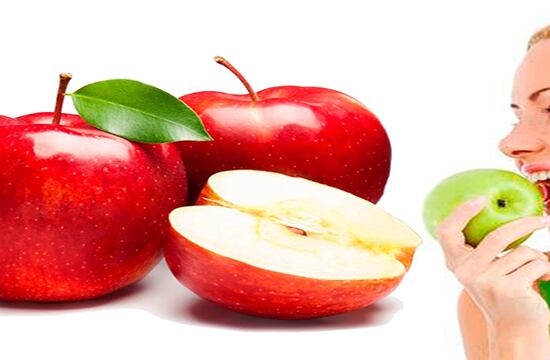
In a world saturated with dietary advice, supplement marketing, and wellness trends that come and go with every season, there is something quietly reassuring about a fruit that has been nourishing people for generations without needing any rebranding. The Manzana Delicia — Peru’s most beloved apple variety — is exactly that kind of food. It does not carry a premium health label, it does not require exotic preparation, and it does not cost more than most families can afford. Yet its nutritional profile, bioactive compound content, digestive benefits, and metabolic properties place it firmly among the most effective everyday foods for building and sustaining a genuinely healthy diet.
This article explains, in practical and specific terms, exactly why the Manzana Delicia deserves a permanent place in any health-conscious eating plan — and why choosing it consistently is one of the simplest, most impactful food decisions a person can make.
It Delivers Exceptional Nutrition at Minimal Caloric Cost
The foundation of any healthy diet is nutritional density — getting the maximum range of vitamins, minerals, fiber, and bioactive compounds for the fewest possible calories. The Manzana Delicia excels at this in a way that is difficult to match among commonly available foods.
At approximately 59 kilocalories per 100 grams — and around 111 calories for a full large fruit — the Manzana Delicia delivers a complete nutritional package that includes dietary fiber, vitamin C, potassium, B vitamins, carotenoids, flavonoids, and pectin within a caloric budget that leaves ample room for a balanced day of eating. A processed snack of equivalent weight might provide similar or greater calories while offering a fraction of the nutritional value.
That ratio — maximum nutrition per calorie — is the defining characteristic of what nutrition science calls a functional food: one that simultaneously nourishes, protects, and supports biological processes beyond simple energy provision. The Manzana Delicia is not just food. It is a daily investment in long-term health delivered in a sweet, aromatic, portable package.
Its Fiber Content Makes It a Digestive Powerhouse
One of the most immediate and measurable ways the Manzana Delicia supports a healthy diet is through its exceptional dietary fiber content. A large apple provides approximately 5 grams of fiber, representing roughly 18% of an adult’s daily recommended intake from a single food source.
That fiber comes in two complementary forms. Soluble fiber — primarily pectin — dissolves in the digestive tract to form a gel that slows gastric emptying, extends satiety, captures dietary fats and cholesterol before absorption, and feeds beneficial bacteria in the gut microbiome. Insoluble fiber — including cellulose and hemicellulose — adds bulk to stool, accelerates intestinal transit, and prevents constipation.
For anyone building a diet aimed at digestive health, the Manzana Delicia checks every important box. It supports the microbiome as a prebiotic, protects the stomach lining, reduces fermentation and bloating, and maintains regularity — all without supplements, pills, or specialized dietary interventions. Simply eating one apple per day, with its skin intact, delivers these digestive benefits consistently and cumulatively.
It Keeps You Full Without Overloading Calories
Satiety management is one of the most practical challenges in maintaining a healthy diet, particularly in urban environments where calorie-dense, fiber-poor processed foods are abundant and aggressively marketed. The Manzana Delicia addresses this challenge directly and effectively.
Its combination of high water content (84%), substantial fiber, and natural sugars absorbed slowly through the fiber matrix creates a satiety effect that significantly outlasts its caloric content. Eating a Manzana Delicia as a mid-morning or afternoon snack creates a prolonged sense of fullness that reduces appetite at the next meal, helping control overall daily caloric intake without conscious restriction.
Research on apple consumption consistently shows that eating a whole apple before a meal reduces caloric intake at that meal more effectively than drinking apple juice or eating applesauce made from the same fruit — precisely because the intact fiber in the whole fruit is what drives the satiety effect. This means the most nutritionally and metabolically effective way to consume the Manzana Delicia is also the simplest: eat it whole, with the skin, before or between meals.
For anyone managing their weight, following a calorie-conscious eating plan, or simply trying to reduce dependence on processed snacks, the Manzana Delicia is close to an ideal dietary tool.
It Actively Supports Heart Health
Cardiovascular disease remains one of the leading causes of mortality globally, and dietary choices are among the most modifiable risk factors for heart health. The Manzana Delicia contributes to cardiovascular protection through multiple simultaneous mechanisms that make it genuinely valuable in a heart-healthy diet.
Pectin acts directly on cholesterol metabolism by binding to bile acids and dietary fats in the digestive tract, preventing their reabsorption and forcing the liver to draw on blood cholesterol to produce new bile acids — effectively lowering circulating LDL cholesterol levels over time. Quercetin and flavonoids — concentrated particularly in the apple’s skin — protect blood vessel walls from oxidative damage caused by free radicals, reducing inflammation in arterial tissue and lowering the risk of atherosclerosis.
Potassium (approximately 115–227 mg per serving depending on fruit size) supports healthy blood pressure by counteracting the vasoconstrictive effects of sodium and promoting arterial relaxation. Regular consumption of potassium-rich foods is consistently associated with reduced hypertension risk in population studies.
Taken together, these mechanisms make the daily consumption of a Manzana Delicia a meaningful dietary strategy for long-term cardiovascular protection — not a replacement for medical care, but a powerful complementary intervention accessible to virtually every Peruvian household.
It Helps Regulate Blood Sugar
For the approximately 1 in 11 adults who live with diabetes globally, and the far larger population managing pre-diabetic conditions or insulin resistance, blood sugar regulation is a daily priority. The Manzana Delicia is one of the few naturally sweet fruits that can be incorporated into blood-sugar-conscious diets without causing significant concern.
This is because its natural sugars — primarily fructose, glucose, and sucrose — are accompanied by pectin and fiber that dramatically slow their absorption into the bloodstream. Rather than causing the rapid post-meal glucose spike associated with refined carbohydrates, the Manzana Delicia produces a gradual, sustained energy release that supports stable blood sugar levels and reduces demand on insulin production.
Its polyphenols, particularly quercetin and chlorogenic acid, add a further layer of metabolic protection by shielding the pancreatic beta cells that produce insulin from oxidative damage, helping maintain their function over time. Regular apple consumption has been associated in multiple population studies with reduced risk of developing type 2 diabetes — a benefit directly relevant in Peru, where metabolic disease rates have been rising alongside urbanization.
It Strengthens the Immune System
A healthy diet is defined not just by what it avoids but by what it actively provides to defend and strengthen the body. The Manzana Delicia makes a meaningful contribution to immune system strength through several of its key nutrients.
Vitamin C, present in quantities covering up to 30% of adult daily needs in a single apple, is essential for the production and activation of white blood cells, the synthesis of collagen that maintains skin barrier integrity, and the neutralization of free radicals that would otherwise compromise immune function. During periods of increased immune demand — illness recovery, high physical stress, or seasonal transitions — consistent vitamin C intake from whole food sources like the Manzana Delicia provides genuine support.
Quercetin adds anti-inflammatory and antiviral properties to this immune-supportive profile, and has been studied specifically for its role in reducing the severity and duration of respiratory conditions — particularly relevant for consumers in urban Peruvian environments where air quality and respiratory health are ongoing concerns.
It Supports Brain Health and Mental Clarity
The connection between diet and cognitive health has become one of the most compelling areas of nutritional science, and the Manzana Delicia has a role to play here as well. Its quercetin and catechins reduce neuroinflammation and oxidative stress in brain tissue — two of the primary biological drivers of cognitive decline and neurodegenerative conditions.
Research on apple consumption has suggested links to delayed onset of Alzheimer’s-related symptoms, reduced neuroinflammation, and protection of neuronal structures from the damage that accumulates with age. While a single fruit cannot prevent neurodegeneration, incorporating the Manzana Delicia as a consistent element of a diet rich in antioxidants and anti-inflammatory foods contributes meaningfully to a neuroprotective dietary pattern.
Vitamins B1 and B6, present in the Manzana Delicia and highlighted by Peru’s INACAL as key nutritional components, support neurological function and protein metabolism, helping maintain healthy nerve transmission and reducing the risk of B vitamin-related cognitive deterioration.
It Fits Every Dietary Pattern
One of the most practical arguments for making the Manzana Delicia a dietary staple is its extraordinary compatibility with virtually every eating approach. It is naturally gluten-free, cholesterol-free, sodium-free, and fat-free. It fits comfortably into plant-based, Mediterranean, low-glycemic, high-fiber, anti-inflammatory, and weight management diets without modification.
It requires no special preparation, no cooking skills, no refrigeration for short periods, and no expensive accompaniments. It is equally suitable for toddlers taking their first bites of solid food, athletes seeking clean natural energy, adults managing chronic conditions, and elderly individuals prioritizing digestive comfort and cardiovascular health.
That universal compatibility is rare in nutrition. Most dietary superfoods come with caveats — allergies, interactions, preparation requirements, or costs that limit who can realistically incorporate them daily. The Manzana Delicia has essentially none of those limitations, which is precisely why it has sustained its place in the Peruvian diet across all demographics, income levels, and generations.
The Case for Daily Consumption
The evidence, taken together, builds a compelling case for making the Manzana Delicia a daily dietary habit rather than an occasional snack. Its benefits are cumulative — the cholesterol-lowering effect of pectin builds over weeks of consistent consumption, the microbiome benefits of prebiotic fiber develop over months, and the antioxidant protection of quercetin and flavonoids compounds over years.
The ancient wisdom embedded in the saying “an apple a day keeps the doctor away” turns out to be nutritionally justified. For the Manzana Delicia specifically, that daily apple delivers fiber for digestive health, pectin for cholesterol management, vitamin C for immune support, potassium for cardiovascular health, flavonoids for cellular protection, B vitamins for neurological function, and natural sugars for steady clean energy — all within a caloric budget that makes daily consumption not just possible but actively advisable.
In a country as food-rich as Peru, the Manzana Delicia holds its ground not through novelty but through consistency, reliability, and honest nutritional value. For anyone building a diet that is genuinely healthy rather than merely trendy, it is one of the best daily choices available — and one of the most Peruvian ones too.