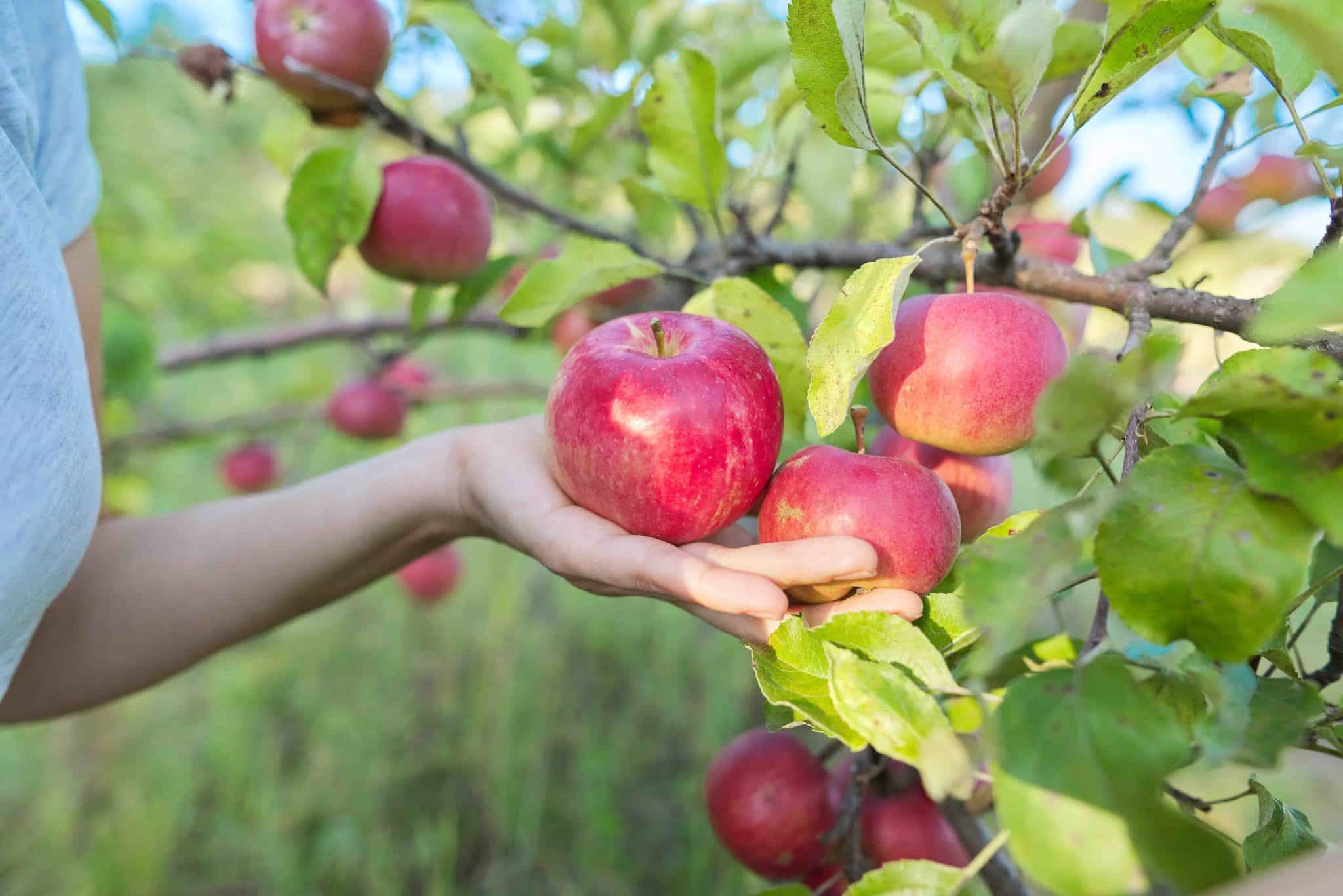
When people talk about superfoods, they rarely mention an apple sitting quietly in a Peruvian market stall. Yet the Manzana Delicia — Peru’s most beloved apple variety — delivers a nutritional profile that rivals many fruits marketed at premium prices in health food stores around the world. Sweet, aromatic, and deeply familiar to millions of Peruvian consumers, this fruit earns its place not just in lunchboxes and fruit bowls but also in any serious conversation about wholesome, functional nutrition.
This article provides a complete, detailed breakdown of exactly what the Manzana Delicia contains nutritionally — its macronutrients, micronutrients, bioactive compounds, and the specific ways each component supports human health.
The Numbers First: Core Nutritional Composition
Every nutritional discussion should start with the numbers, and the Manzana Delicia’s baseline figures are both clear and impressive. Per 100 grams of fresh Manzana Delicia, the fruit provides the following nutritional values:
- Water: 84 g — making it a highly hydrating fruit
- Calories: 59 kcal — low enough for daily consumption without guilt
- Carbohydrates: 15 g — the primary energy source
- Dietary fiber: 2.7 g — a significant contributor to daily fiber needs
- Protein: 0.19 g — modest but present
- Lipids (fats): 0.4 g — extremely low fat content
- Potassium: 115 mg — important for cardiovascular and muscle health
- Calcium: 7 mg — supporting bone structure
- Phosphorus: 7 mg — essential for cellular energy metabolism
- Magnesium: 5 mg — involved in over 300 enzymatic reactions
- Sulfur: 5 mg — important for connective tissue health
- Iron: 0.18 mg — contributes to oxygen transport in the blood
- Vitamin B3 (Niacin): 0.17 mg — essential for energy metabolism
For a larger fruit — and the Manzana Delicia typically weighs between 160 and 240 grams — these values scale accordingly, delivering around 111 calories per large apple, approximately 29 grams of carbohydrates, 5 grams of fiber, 227 mg of potassium, and meaningful quantities of vitamins and minerals. That makes one Manzana Delicia a genuinely substantial contribution to a person’s daily nutritional needs.
Water Content: Hydration in Every Bite
With 84 grams of water per 100 grams of fruit, the Manzana Delicia is approximately 84% water by weight. That high water content is one of the reasons the fruit feels so refreshing when eaten fresh and why it contributes to daily hydration in a meaningful way.
For consumers in warm climates like Peru’s coastal cities and valleys, where temperatures regularly demand higher fluid intake, eating fresh fruit with high water content is not just pleasant — it is physiologically beneficial. The Manzana Delicia’s juicy flesh delivers hydration alongside nutrition, making it more effective as a snack than many processed alternatives that provide calories without water.
Carbohydrates and Natural Sugars
The Manzana Delicia’s 15 grams of carbohydrates per 100 grams consist primarily of natural sugars — mainly fructose, glucose, and sucrose — which account for its characteristic sweetness. A medium-sized Red Delicious apple equivalent carries approximately 14.33 grams of sugar and 19 grams of total carbohydrates, with 3.3 grams of fiber.
Unlike the simple sugars found in processed snacks and beverages, the natural sugars in the Manzana Delicia are accompanied by fiber, which significantly slows their absorption into the bloodstream. This means the fruit provides a gradual, sustained energy release rather than a rapid sugar spike followed by an energy crash — a critical distinction for anyone managing blood sugar levels, energy levels throughout the day, or appetite control.
The glycemic load of a whole apple is considerably lower than its sugar content might suggest, precisely because of this fiber-mediated absorption effect. Eating the Manzana Delicia whole and with its skin maximizes this benefit.
Dietary Fiber: The Star Nutrient
If any single nutrient defines the Manzana Delicia’s nutritional identity, it is dietary fiber. The fruit contains a combination of both soluble and insoluble fiber types, each playing a distinct and complementary role in supporting health.
Soluble fiber, primarily in the form of pectin, dissolves in water to form a gel-like substance in the digestive tract. This gel has several powerful effects: it slows gastric emptying, prolonging the sensation of fullness; it binds to dietary cholesterol and fats, reducing their absorption and helping lower blood LDL cholesterol levels; and it acts as a prebiotic, selectively feeding beneficial bacteria in the gut microbiome.
Insoluble fiber, including cellulose, hemicellulose, and lignins, adds bulk to stool, accelerates intestinal transit, and prevents constipation. Together, these fiber types make the Manzana Delicia one of the most digestively supportive fruits available in Peru’s everyday food supply.
A large Manzana Delicia provides approximately 5 grams of dietary fiber, which represents roughly 18% of the daily recommended intake for an adult. That is a remarkable contribution from a single fruit that costs just a few soles and requires zero preparation.
Pectin: The Bioactive Fiber Worth Highlighting Separately
Pectin deserves its own discussion because its benefits extend well beyond basic digestion. This soluble fiber found abundantly in the Manzana Delicia — particularly in and just beneath the skin — is one of the most studied bioactive compounds in the apple family.
Pectin’s documented actions include:
- Renewing and supporting intestinal flora, functioning as a natural prebiotic
- Acting as a mild natural antacid that reduces acidity in the digestive tract
- Preventing fermentation and bloating in the intestines
- Forming a protective coating on the stomach lining, which helps manage gastritis and peptic ulcer symptoms
- Binding to heavy metals and environmental pollutants in the gut, helping the body excrete them before absorption
- Reducing LDL cholesterol by capturing bile acids and dietary fats in the digestive system
That last point is particularly significant given the global prevalence of cardiovascular disease. Regular consumption of pectin-rich foods like the Manzana Delicia offers a simple, accessible, and evidence-backed dietary strategy for maintaining healthier cholesterol levels over time.
Vitamins: A Broad Spectrum of Support
The Manzana Delicia contributes a meaningful range of vitamins to the daily diet. Vitamin C stands out as its primary vitamin contribution, with sources noting that a single apple can cover up to 30% of adult daily vitamin C needs. Vitamin C is essential for immune system function, collagen synthesis, wound healing, iron absorption, and antioxidant protection against cellular damage caused by free radicals.
Vitamin E (alpha-tocopherol) is present at approximately 0.24 mg per 100 grams, contributing to cell membrane protection and fat-soluble antioxidant defense. Vitamin K1 (phylloquinone) appears at 2.6 mcg, supporting proper blood clotting and bone metabolism.
The B vitamin family is also represented. Vitamin B3 (niacin) contributes to energy metabolism, DNA repair, and cellular signaling, while Vitamins B1 and B6, highlighted by Peru’s national standards body INACAL, support neurological function, protein metabolism, and the prevention of cognitive deterioration.
Beta-carotene (27 mcg), beta-cryptoxanthin (12 mcg), and lutein and zeaxanthin (31 mcg) — all carotenoid compounds with antioxidant and pro-vitamin A activity — round out the vitamin picture, contributing to eye health, skin protection, and systemic anti-inflammatory activity.
Minerals: Small Amounts, Big Impact
The mineral profile of the Manzana Delicia may not be dramatic in absolute quantities, but it covers a strategically important range of micronutrients that support multiple body systems.
Potassium is the most abundant mineral at 115 mg per 100 grams, scaling to approximately 195–227 mg in a large fruit. Potassium is essential for maintaining healthy blood pressure, supporting heart rhythm, enabling proper muscle contraction, and balancing fluid levels throughout the body.
Calcium (6–7 mg) and phosphorus (7–12 mg) work together to maintain bone density and support cellular energy production through ATP synthesis. Magnesium (5 mg) participates in over 300 enzymatic processes, including muscle relaxation, protein synthesis, and glucose regulation. Iron (0.11–0.18 mg) contributes to hemoglobin formation and oxygen transport in the bloodstream.
Trace minerals including zinc (0.04 mg), copper (0.03 mg), and manganese (0.03 mg) appear in small but relevant quantities, supporting immune function, connective tissue formation, and antioxidant enzyme activity respectively.
Bioactive Compounds: Where the Real Power Lives
Beyond standard nutrients, the Manzana Delicia’s most powerful nutritional contributions come from its bioactive polyphenolic compounds, which are not captured on a basic nutrition label but drive many of its health benefits.
Quercetin is the most studied of these, a flavonoid concentrated primarily in the apple’s skin that delivers anti-inflammatory, antioxidant, anti-diabetic, cardioprotective, and neuroprotective effects. It has been studied for its ability to protect pancreatic beta cells, reduce neuroinflammation, and even inhibit the formation of amyloid plaques associated with Alzheimer’s disease.
Catechins — the same antioxidant compounds found in green tea — are present in meaningful concentrations and have demonstrated antimicrobial activity against Helicobacter pylori, the bacteria behind gastritis and peptic ulcers, as well as protective effects on the cardiovascular system.
Carotenoids contribute antioxidant protection that reduces oxidative stress throughout the body, protecting cells from the cumulative damage that drives aging and chronic disease. Chlorogenic acid, another phenolic compound, has been linked to improved insulin sensitivity and reduced post-meal blood glucose elevation.
Fat and Cholesterol: Practically Zero
One of the most practically appealing aspects of the Manzana Delicia’s nutritional profile is what it does not contain. With only 0.4 grams of total fat per 100 grams, negligible saturated fat, and zero cholesterol and zero sodium, it is one of the cleanest whole foods available. This makes it an ideal snack for people managing cardiovascular risk, following low-fat diets, or simply trying to reduce their intake of processed, high-sodium foods.
Caloric Density: Maximum Nutrition, Minimum Calories
At 59 kcal per 100 grams — or approximately 111 calories for a full large apple — the Manzana Delicia sits in an enviable position nutritionally. It provides genuine satiety through its fiber content, real energy through its natural sugars, meaningful micronutrient support through its vitamins and minerals, and powerful cellular protection through its polyphenols — all within a caloric budget that makes daily consumption not just acceptable but genuinely advisable.
That ratio of nutritional density to caloric cost is the defining characteristic of what nutritionists call a functional food: one that feeds, protects, and heals simultaneously, without adding unnecessary energy burden to the diet.
Eating It Right: How to Maximize Nutritional Value
To extract the maximum nutritional value from a Manzana Delicia, a few simple practices make a meaningful difference. Eating the skin is essential, as the highest concentrations of quercetin, pectin, fiber, and carotenoids are found there. Choosing fresh, whole fruit over juice preserves the fiber that regulates sugar absorption and prolongs satiety. Storing apples in a cool environment slows oxidation and preserves vitamin C content.
Most importantly, eating the Manzana Delicia consistently — as a daily habit rather than an occasional indulgence — is what allows its cumulative nutritional benefits to fully manifest over time. The old saying that an apple a day keeps the doctor away is, as far as the Manzana Delicia is concerned, nutritional science dressed up as common wisdom.