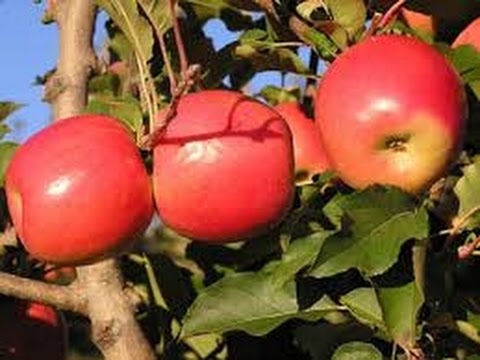
The Peruvian Manzana Delicia stands out because of its striking appearance, sweet flavor, pleasant aroma, strong presence in local markets, and deep connection to the farming valleys of Peru, especially in the Lima region. Although it is related to the internationally known Red Delicious family, in Peru it has developed its own identity as a familiar, everyday fruit with cultural and agricultural importance.
A Very Distinctive Look
One of the main reasons the Peruvian Manzana Delicia feels so unique is that it is immediately recognizable. It is known for its conical shape with five pronounced lobes and for its smooth, shiny, deep red skin, sometimes marked by reddish streaks, which makes it visually different from many other apples sold in the market.
This strong visual identity gives it commercial appeal as well as memorability. In markets and supermarkets, the Delicia apple is often associated with freshness, vibrant color, and an elegant presentation, which helps explain why it remains popular with Peruvian consumers.
The Sweet Flavor People Remember
Its appearance may attract attention, but its flavor is what truly explains its popularity. Several sources describe the Manzana Delicia as an apple with a sweet taste, very low acidity, and a noticeable aroma, making it especially pleasant to eat fresh and on its own.
That sweet profile has played a major role in its success in Peru. Unlike apples that are more tart or mainly preferred for baking, the Delicia is commonly chosen as a table fruit, a school snack, or a quick bite during the day because it offers a simple, satisfying eating experience.
Texture and Eating Experience
Another part of what makes the Manzana Delicia special is the way it feels when eaten. Some descriptions present it as crisp, while others mention a flesh that can be softer or slightly grainy, suggesting that texture may vary depending on ripeness, growing area, and post-harvest handling.
Rather than being a weakness, that variation is part of the fruit’s character in the Peruvian market. For many consumers, the Delicia does not need high acidity or extreme firmness to be enjoyable; its charm lies in the balance between sweetness, aroma, juiciness, and ease of eating.
A Generous Size
The Peruvian Manzana Delicia also stands out for its relatively large size. Reports describe it as having an average weight of 160 to 240 grams, with a diameter of around 70 to 85 millimeters and a height of about 85 to 90 millimeters, placing it among the larger apples commonly seen in Peru.
That size adds to its appeal in a practical way. A large, red, aromatic apple conveys freshness and abundance, and that influences both consumer preference and its market value in wholesale and retail channels.
Deeply Rooted in Peru
Although the variety is internationally linked to Red Delicious, in Peru the “Manzana Delicia” has taken on a life of its own in everyday language and local agriculture. It is not merely a global apple variety sold under a translated name; it is a fruit that Peruvian consumers recognize as a specific product with a clear place in their food culture.
That gives it a unique cultural dimension. In many Peruvian markets, asking for a “manzana Delicia” means asking for a particular kind of apple associated with sweetness, deep red color, and fresh consumption, clearly distinguished from varieties like Israel, Gala, or Granny Smith.
The Importance of Place
Its uniqueness is also strongly tied to geography. Apple production in Peru is concentrated in the Lima region, and several sources point to Calango, Mala, Yauyos, Lurín, and Huarochirí as important areas for the cultivation of this variety.
In particular, Calango, in the province of Cañete, is often described as the birthplace of the Peruvian Manzana Delicia, while the valleys of Mala and Huarochirí are also highlighted as key production zones. This connection to specific valleys gives the fruit a stronger sense of origin and authenticity than many mass-market apples have.
A Major Role in National Production
The Manzana Delicia is not a niche fruit in Peru; it is one of the country’s most important apple varieties. According to information shared by Inacal using data from the National Fruit Program of Sierra Exportadora, Peru cultivates around 11,000 hectares of apples, and about 70% of that area corresponds to Delicias, while the remainder is divided among varieties such as Israel, Winter, and San Antonio.
That figure helps explain its importance. The Delicia is unique not only because of its sensory qualities, but also because it holds a dominant place in Peru’s apple-growing landscape, making it a central reference point whenever Peruvian apples are discussed.
A Familiar Fruit in Daily Life
A fruit becomes truly special when it moves beyond production statistics and becomes part of everyday life. The Manzana Delicia has clearly done that, as it is described as a variety that is easy to find in Peruvian markets and supermarkets and well suited for fresh eating.
Its wide availability has helped strengthen its place in daily routines. It is not a rare or luxury fruit, but one commonly found in school lunches, breakfasts, weekly grocery shopping, and healthy snacks, which is exactly why it has become one of the most familiar apples in the country.
Nutritional Value and Healthy Image
Another reason for its appeal is its reputation as a healthy fruit. Peruvian sources note that the Manzana Delicia provides dietary fiber, pectin, vitamin C, antioxidants, and potassium, nutrients associated with digestive health, cholesterol management, and balanced nutrition.
Pectin is mentioned especially often in descriptions of its benefits. It is linked to supporting intestinal health, helping regulate cholesterol, and contributing to digestive wellness, which strengthens the Delicia apple’s image as a fruit that is both enjoyable and functional.
More Than Fresh Fruit
Although it is usually eaten fresh, the Manzana Delicia has also shown value in processed products. One interesting example is the production of Peruvian cider made from Delicia and Israel apples grown in areas such as Mala and Cañete, showing that this variety can also play a role in regional gastronomy and value-added products.
That broadens its importance. When a fruit works well both as an everyday snack and as an ingredient in more specialized products, its uniqueness becomes even stronger because it starts to represent not just agriculture, but also culinary identity.
Between Global Variety and Local Symbol
The Manzana Delicia has an interesting dual identity. On one hand, it belongs to a globally recognized apple family related to Red Delicious; on the other, in Peru it has become a distinctly local product with its own market identity, naming tradition, and consumer recognition.
That makes it especially valuable as an example of how food varieties adapt across cultures. It shows how an internationally known apple can become deeply localized and eventually turn into a recognizable symbol of a country’s internal market and agricultural tradition.
Why It Remains So Unique
Ultimately, what makes the Peruvian Manzana Delicia unique is not just one feature, but the way many features come together. Its deep red color, distinctive shape, sweet flavor, pleasant aroma, generous size, nutritional value, strong market presence, and close relationship with the valleys of Lima all combine to create a fruit with a very clear identity.
So when people ask what makes Peruvian Manzana Delicia so special, the answer goes beyond botany. It is unique because it blends sensory appeal, regional roots, and cultural familiarity in a way that few fruits manage to achieve so consistently within one country.
Suggested SEO Angle
If you want to publish this as a blog post, some natural keyword targets would be Peruvian Manzana Delicia, what makes Manzana Delicia unique, Peruvian Delicia apple, Manzana Delicia characteristics, and Manzana Delicia in Peru, because they match the available information on taste, appearance, cultivation, and consumption.
You could also strengthen search intent by using subheadings related to Calango, Mala, nutritional benefits, Red Delicious in Peru, and Peruvian apple varieties, since these associations appear consistently in the available sources.